Precast Technology in Saudi Arabia: The Future of Rapid Construction Under Vision 2030
The Kingdom of Saudi Arabia is witnessing an unprecedented urban renaissance across various sectors. With this rapid expansion, Precast technology has emerged as a pivotal modern construction solution, transforming the Saudi real estate landscape and project execution methods. This technology relies on manufacturing concrete elements in specialized factories, then transporting and assembling them on-site, ensuring speed and high quality with minimal waste.
What is Precast Technology?
Precast, or Precast Concrete, is a modern construction method where building components—such as walls, columns, and slabs—are prepared inside controlled factory environments and then transported to the project site for assembly. This method represents a qualitative leap compared to traditional construction, offering precision in measurements, design flexibility, and long-term durability. Consequently, Precast has become a preferred choice for Saudi real estate developers seeking to reduce delivery times and enhance project quality.
Precast vs. Traditional Concrete
The fundamental difference lies in the casting location and execution method:
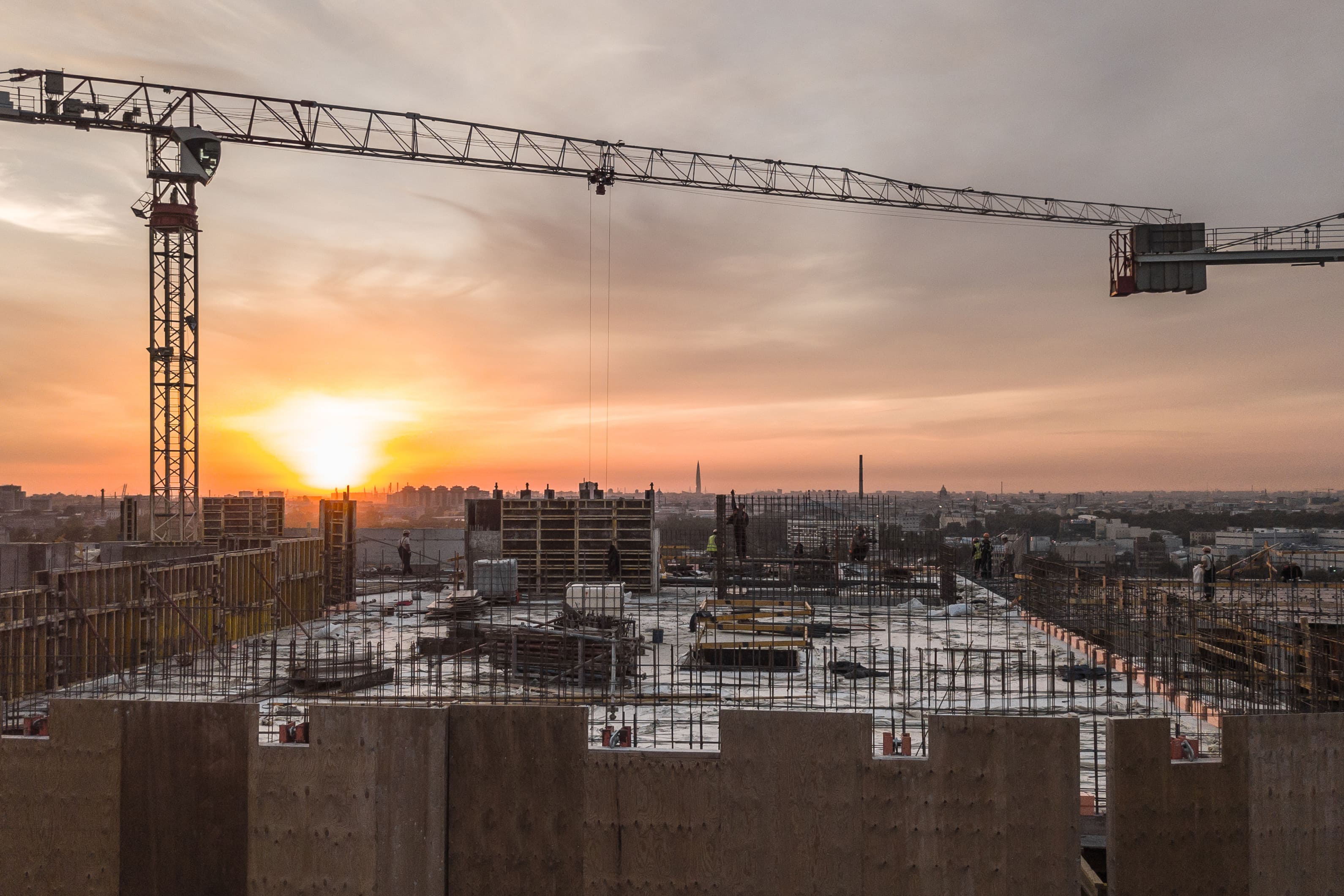
- Traditional Concrete: Cast directly on-site after setting up formwork and reinforcement, making it susceptible to weather delays and human error.
- Precast Technology: Produced in specialized factories under ideal conditions that guarantee the highest quality standards, then installed on-site, reducing time, effort, and operational costs. This distinction makes Precast a smart solution for meeting the growing demand for housing and infrastructure projects without compromising quality or delivery schedules.
Advantages of Precast in Construction Projects
Adopting Precast technology in Saudi Arabia offers developers and government entities several key benefits:
- Execution Speed: Project components can be manufactured in the factory parallel to on-site preparation, cutting execution time by more than half.
- High Quality and Precision: Concrete elements are produced according to strict standardized metrics, ensuring structural consistency and durability.
- Reduced Labor Costs and Waste: It minimizes reliance on field labor and uses materials efficiently, leading to a reduction in total costs.
- Environmental Sustainability: Reducing construction waste and emissions from on-site mixing aligns with "Green Building" goals.
- Design Flexibility: The ability to produce precast architectural and decorative elements that add a unique aesthetic touch to projects.
The Role of Precast in Supporting Vision 2030
One of the primary goals of Saudi Vision 2030 is to develop the housing sector and increase homeownership among citizens while enhancing quality of life. Precast technology serves as an effective tool by:
- Accelerating the delivery of housing and infrastructure projects to meet demand.
- Ensuring construction quality and improving resource efficiency.
- Supporting environmental sustainability initiatives by reducing material and energy waste.
- Providing specialized job opportunities for Saudi youth in manufacturing and technical supervision.
Challenges of Using Precast
Despite its advantages, Precast technology faces some manageable challenges:
- Transportation Costs: Particularly if the factory is far from the site; this can be mitigated by establishing temporary mobile factories.
- Limited On-site Modifications: Requires precise designs from the start, as re-producing pieces can be costly.
- Need for Specialized Equipment: Such as heavy cranes and a suitable environment for installation.
FAQ: Frequently Asked Questions
Is Precast technology suitable for all types of projects? It is ideal for large-scale residential, infrastructure, and repetitive projects. However, it may offer less flexibility for highly complex or unique architectural designs.
Can Precast walls be modified or cut after installation? It is highly recommended to avoid modifications after installation to maintain structural integrity. Any changes should be limited to non-load-bearing walls and must be done under expert engineering supervision.
How much does Precast contribute to cost reduction? The technology can save between 15% to 30% of the total project cost by reducing labor, minimizing waste, and significantly accelerating the timeline.
Related Topics for Investors:
- Property Valuation via the Cost Approach to Reach Fair Market Value.
- Requirements for Issuing a New Commercial Store License in Saudi Arabia.