Types of Shared Workspaces and Their Benefits for Companies and Entrepreneurs
Coworking spaces have witnessed significant development in recent years and have become one of the preferred options for many entrepreneurs, freelancers, and modern companies. They provide a flexible work environment that combines practical facilities with a professional atmosphere, without the need to bear the high costs of traditional offices. Each shared workspaces also offers an opportunity to work within a professional community that helps exchange expertise and build new connections.
In this article, we will explore the main types of shared workspaces and the differences between them, along with the key features each coworking space offers to users. We will also highlight the benefits of these spaces for both companies and individuals.
Types of Shared Workspaces
Shared workspaces are not limited to a single model; instead, they come in different forms to meet the needs of individuals and businesses across various fields and work styles. The most common types of shared workspaces include:
Open Spaces
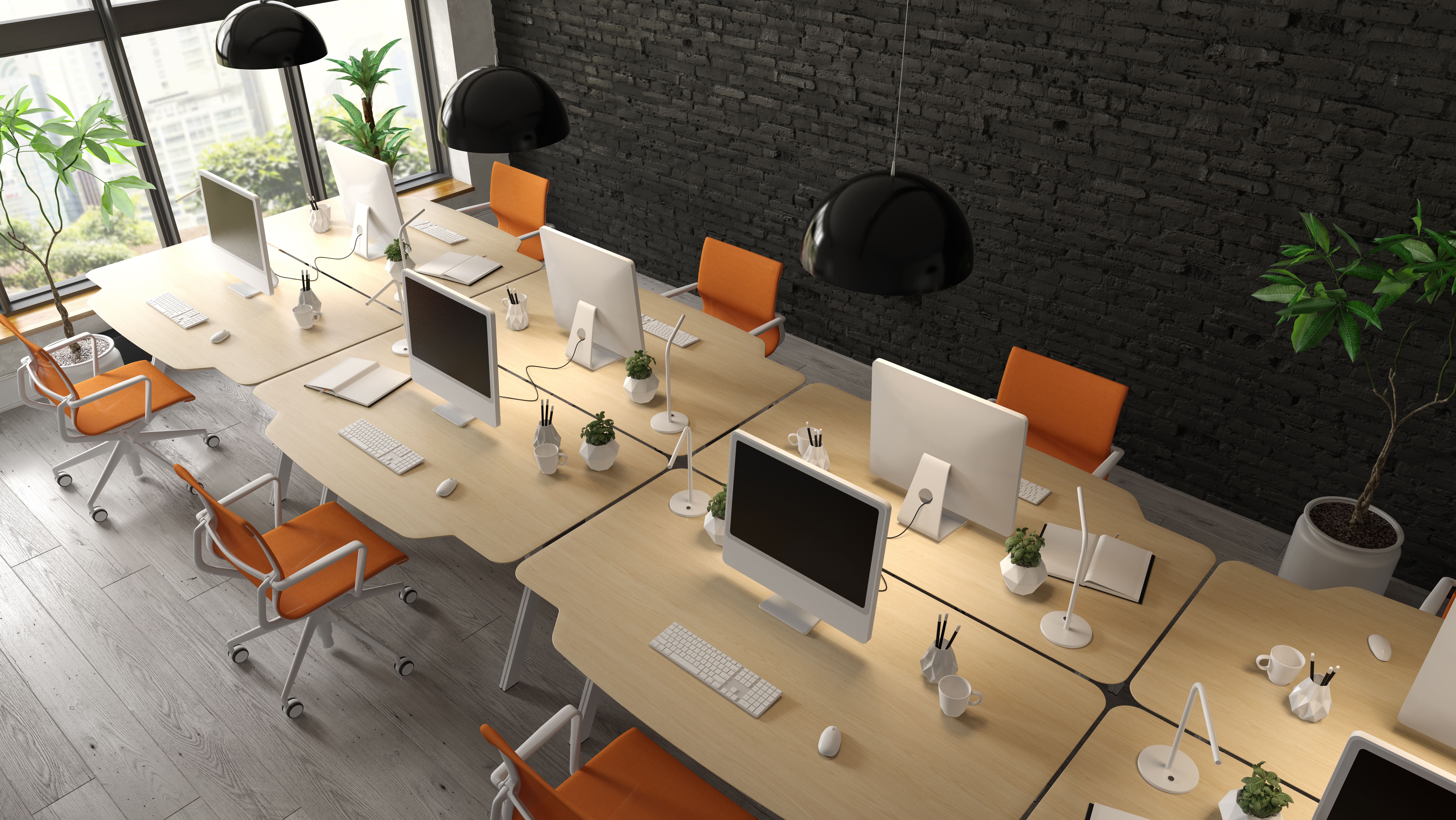
This type is based on a large, open working environment with shared desks and no partitions. It is ideal for remote workers and small business owners, as it encourages communication, interaction, and knowledge sharing within a dynamic and active atmosphere.
Private Offices within Coworking Spaces
These are enclosed offices located inside a shared workspace environment. They provide a higher level of privacy for small teams or companies that require confidentiality, while still benefiting from shared services and fully equipped facilities.
Industry-Specific Workspaces
These spaces are designed to suit specific industries, offering tools and services tailored to each field such as design, technology, or others. This helps improve productivity and operational efficiency.
Corporate Dedicated Workspaces
These shared workspaces are used by large companies to manage remote teams or expand into new markets without long-term commitments, providing greater operational flexibility and cost efficiency.
Hybrid and Flexible Workspaces
These spaces combine multiple models such as open areas, private offices, and meeting rooms. They offer a comprehensive environment suitable for various types of work and are considered one of the most popular models today.
In light of the diversity of business and individual needs, shared workspaces are no longer the only option. Many people are also seeking alternative office solutions in different locations across Riyadh. Some prefer renting a office for rent in Al-Suwaidi Riyadh due to its vibrant location, which suits small and medium-sized commercial activities, while others choose a office for rent in King Abdulaziz District Riyadh because of its strategic location near major business hubs and essential services.
There are also other options that suit different types of businesses, such as choosing a office for rent in Industrial Riyadh for companies that rely on production or operational activities, where industrial areas are more suitable in terms of space and cost.
On the other hand, some may look for a farmhouse for rent in Al-Rimal Riyadh as a temporary solution that combines comfort and privacy, especially for those who need a quiet environment or a short-term place that blends work and relaxation before moving to more professional shared workspaces.
Reasons for the Growing Popularity of Shared Workspaces Today
Shared workspaces have become one of the most popular work models in recent years, as they offer practical solutions that meet the needs of modern individuals and businesses. This growth is driven by several key factors that have made them a strong alternative to traditional offices. The main reasons for their popularity include:
Flexibility in Work: The ability to choose working hours and location without being tied to long-term contracts.
Cost Reduction: Lower operational expenses while providing a fully equipped working environment.
Professional Networking: Opportunities to connect with people from different fields and expand professional relationships.
Increased Productivity: A structured environment that helps improve focus compared to working from home.
Work-Life Balance: Access to facilities such as lounges, cafés, and recreational areas.
Conditions of Shared Workspaces
Shared workspaces set a range of rules and regulations designed to ensure a suitable and organized working environment for all users, whether individuals or companies. Although these conditions may vary from one place to another, they generally follow common principles. The most important conditions include:
Professional Conduct: Respecting the work environment and avoiding disturbing others while working.
Subscription or Prior Booking: Access usually requires a membership plan or booking a workspace for a specific period.
Maintenance of Facilities: Ensuring that equipment and furniture are not damaged within the space.
Shared Use of Facilities: Such as meeting rooms, kitchens, and lounge areas according to a set system.
Adherence to Working Hours: Some spaces enforce specific operating hours that must be respected.
Privacy Protection: Not sharing sensitive information or data belonging to other users within the space.
The Nature of Shared Workspaces and How They Generate Revenue
Shared workspaces fall under the commercial real estate sector and modern office services in Saudi Arabia, as they rely on providing flexible and fully equipped working environments instead of traditional long-term leasing. This business model is based on offering office solutions that suit individuals and companies of different sizes and needs. Shared workspaces generate revenue from several sources, including:
- Daily, monthly, or annual membership plans.
- Renting private offices or fully equipped workstations within the space.
- Booking meeting rooms for temporary use.
- Hosting events, workshops, and professional activities.
- Providing support services such as printing, reception, mail handling, and administrative assistance.
The Main Alternative Terms for Shared Workspaces and Their Differences
Various terms are used to refer to shared workspaces, with each term reflecting a specific aspect of these modern environments. Despite the different names, they all revolve around the concept of providing a flexible and collaborative working environment that supports productivity and communication among individuals.
- Coworking spaces: These reflect the idea of sharing the same working environment among several individuals while allowing each person to maintain their own working style.
- Flexible offices: These refer to spaces that offer various office options and short-term contracts, whether open or private offices.
- Collaborative work hubs: These focus on the interactive aspect, bringing together professionals from different fields to exchange ideas and build business relationships.
- Innovation labs: These are commonly used for spaces designed to support creativity, especially for startups and development teams.
Work lounges: These represent a mix between a professional working environment and a comfortable lounge-like atmosphere.