
Tenant Rights vs. Landlord Obligations in Riyadh Under Saudi Regulations
The Kingdom of Saudi Arabia has witnessed a fundamental evolution in the regulation of the real estate and rental sector. Following Royal Approval and Cabinet decisions, specific legal provisions regarding tenant rights in Riyadh were issued. This move is a pivotal step towards creating a fair balance in the rental relationship.
These regulations align with the directives of HRH Crown Prince Mohammed bin Salman within Saudi Vision 2030, focusing on organizing the rental market, curbing unjustified price hikes, and protecting tenants from unfair practices while maintaining property owners' rights and enhancing real estate investment attractiveness.
Legal Provisions for Regulating Rental Rights in Saudi Arabia
First: Rent Freeze Details in Riyadh
The decision to freeze rents is a prominent feature of the new regulations, aiming to achieve stability and reduce legal disputes:
- Five-Year Rent Freeze: Rental values in Riyadh are fixed for five consecutive years, effective from September 25, 2025.
- Scope: The decision covers all residential and commercial contracts, whether existing or new.
- Prohibition of Increases: Landlords are prohibited from increasing rent during this period, even upon contract renewal or tenant change.
Second: Potential Expansion to Other Cities
The Real Estate General Authority (REGA) has the right to expand this regulation to other cities and provinces (such as Jeddah, Dammam, and Khobar) following approval from the Council of Economic and Development Affairs.
Third: Rent Calculation and Fixing Mechanism
- Previously Leased Properties: The rent is fixed based on the last registered contract in the system.
- Newly Listed Properties: The initial rent is agreed upon by both parties, then frozen for the five-year duration.
Fourth: Contract Documentation and Renewal
- Documentation via "Ejar": All contracts must be registered on the Ejar platform. Parties have 60 days to contest contract data.
- Automatic Renewal: Contracts renew automatically unless one party notifies the other 60 days before expiration.
Fifth: Governance and Rights Protection
- Tenant Protection: Prevents unjustified increases and provides official objection mechanisms.
- Landlord Protection: Documented contracts provide full legal protection against financial breaches.
- Transparency: Regular reports and price index monitoring to ensure a unified regulatory framework.
Additional Details on the Rental Relationship
- Subleasing: Prohibited unless written consent from the landlord is obtained.
- Contract Fees: Administrative and documentation fees are usually borne by the tenant unless otherwise agreed.
- Maintenance: Fundamental maintenance is the landlord's responsibility, while utility bills (electricity, water, gas) are paid by the tenant.
Core Tenant Rights
- Right to benefit from the property for the entire contract duration.
- Right to essential maintenance and repair of structural defects.
- Right to documentation via the Ejar platform.
- Right to price stability (fixed rent) under the latest provisions.
- Right to automatic renewal unless properly notified otherwise.
Expected Impact of the New Regulations
- Economic Impact: Stability in rental prices fosters a better investment environment and attracts foreign investors.
- Social Impact: Provides families with greater housing security and reduces disputes.
- Real Estate Impact: Enhances the efficiency of property management in major cities and reduces market speculation.
Helpful Links:
- Steps for First-Time Property Registration (Einie) in Makkah.
- Project Site Selection Criteria in Saudi Arabia.
Related Articles

السعودية تكشف عن تصميم استاد جديد بطاقة استيعابية تزيد عن 45 ألف مقعد
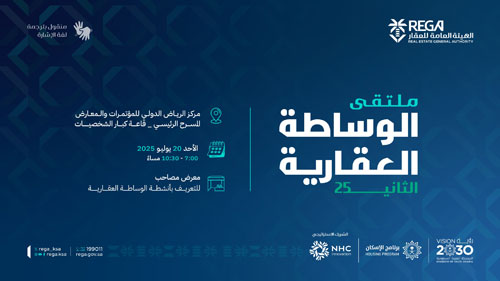
Real Estate General Authority Announces Launch of Second Edition of Real Estate Brokerage Forum on July 20